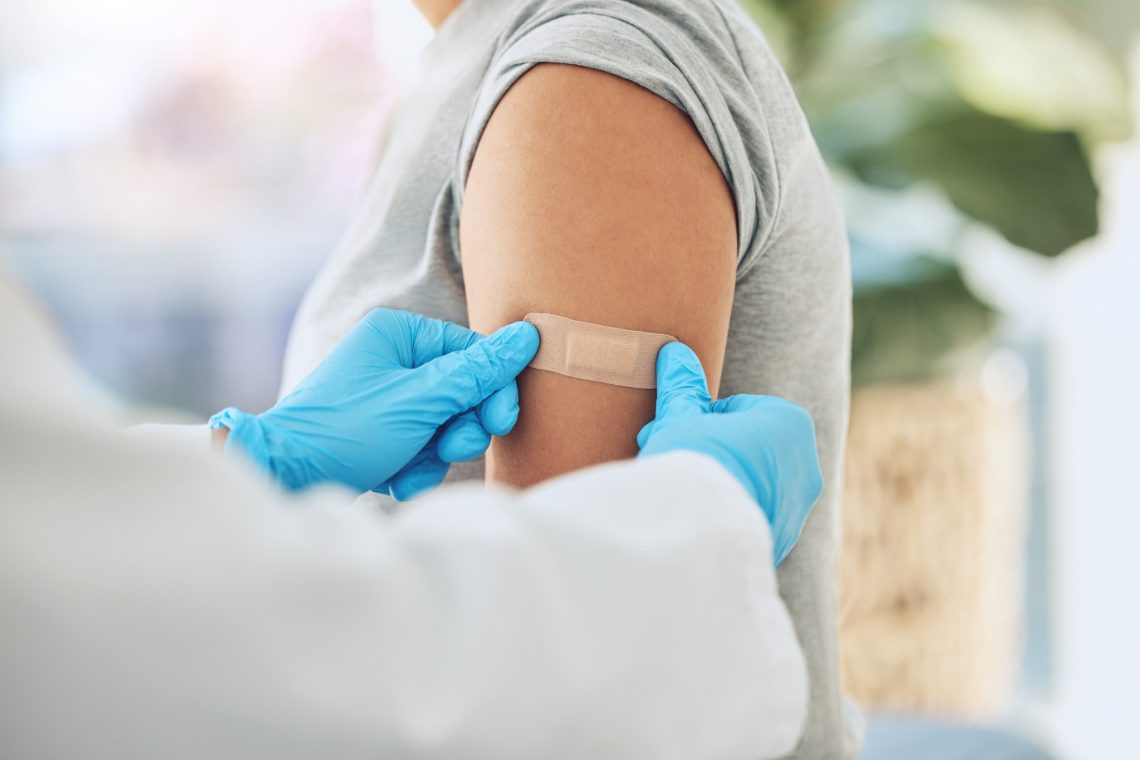

Immunization and surveillance programs have continuously lowered the risk of widespread measles outbreaks in the US. However, measles cases continue to occur due to unvaccinated travelers who get measles while visiting other countries, and in the under-vaccinated populations in the United States. The best way to stay ahead and prevent measles is to get vaccinated.
CDC has put together a toolkit called Be Ready for Measles, full of educational graphics, videos and fact sheets for health departments around the Nation. Here at GHC-SCW, we understand how important it is to be prepared for outbreaks and to keep our community healthy, so we’ve put together helpful information from the toolkit below.
What is Measles?
Measles is a very contagious disease caused by a virus that spreads through the air when someone with the virus coughs or sneezes. After someone sick with measles leaves an area, the virus can remain airborne for two hours. About 9 out of 10 people who don’t have measles vaccines and come in contact with someone who is sick will also become infected. This disease is especially dangerous for babies and young children.
Do you think your child has Measles?
What to do if you think your child has Measles:
Measles symptoms typically show up 7-14 days after coming in contact with the virus. The most common symptoms include:
- High fever, spiking to over 104
- Cough
- Runny nose
- Red and/or watery eyes
- A rash on the face that breaks out 3-5 days after other symptoms begin
If you think someone in your family has measles, make sure you:
- Keep them away from others who aren’t sick. Have the person who is sick stay in one room/section of the house.
- Everyone who lives in the house should stay home to prevent the spread to those in the community.
- Call a doctor or hospital right away and let them know someone in the home possibly has the measles. Please do not take them in right away; the doctor will give information/instructions on what to do next.
Remember, do not come into the clinics if you are sick. Stay home unless the sickness rapidly gets worse, or the following symptoms occur:
- Trouble breathing or breathing gets faster than normal
- Pain when breathing or coughing
- Dehydration, including a dry nose and mouth, using the bathroom less frequently and crying without tears coming out
- Fever or headache that won’t go away
- Confusion or severe weakness
- Low energy, difficulty feeding/eating or a blue color is seen around the mouth
If these symptoms occur, do not wait; take your child to the emergency room.
How do you protect your family against measles?
It is never too late to get vaccinated! The measles, mumps and rubella (MMR) vaccine is the best way to stay protected against the measles. Not only does it protect you and your family, but it also keeps the people around you and your community healthy.
Talk with your provider if you or your child has not been vaccinated.
Learn more – CDC Measles Information, Tip Sheets and videos:
About Measles | Measles (Rubeola) | CDC
Preventing Measles Before and After Travel
Measles: It Isn’t Just a Little Rash