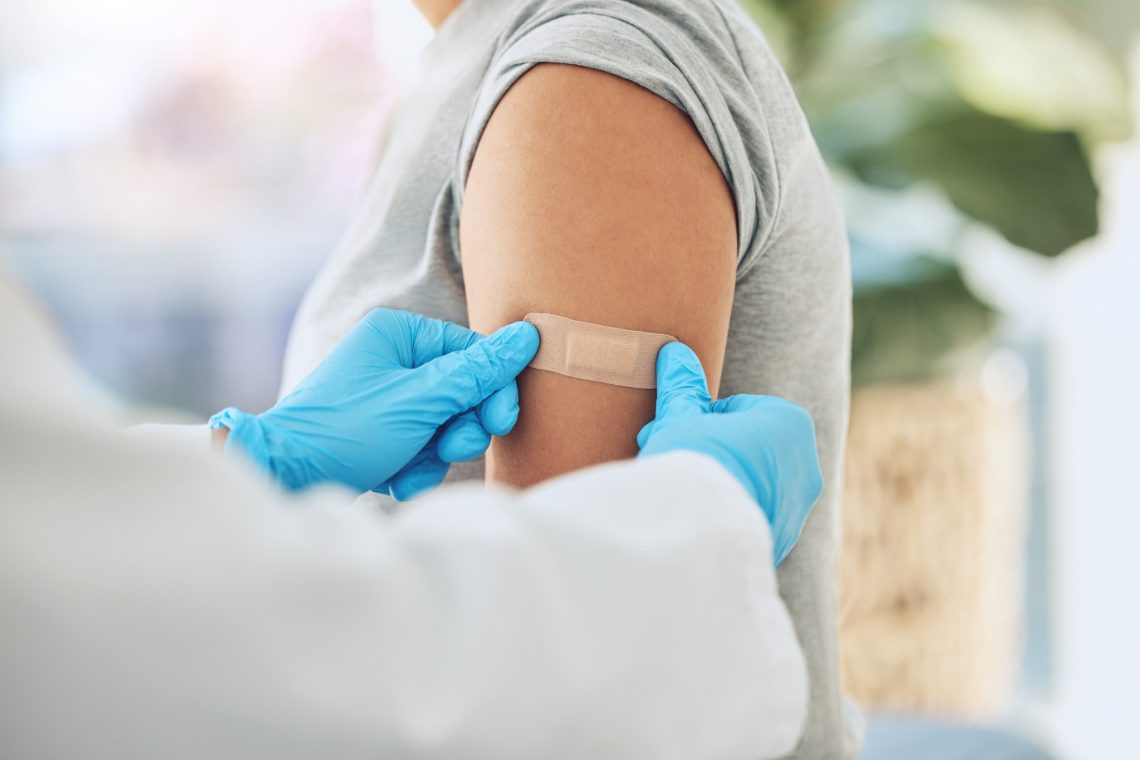

Why Are Girls 3x More Likely to Be Vaccinated Than Boys? Did you know HPV causes nearly 36,000 cases of cancer in the U.S. each year, and most of them could be prevented by a vaccine?
In 2006, the HPV vaccine was originally marketed to girls to prevent cervical cancer, but HPV causes cancer in all genders. Here at GHC-SCW, we want to spread awareness that the HPV vaccine isn’t just for girls. Boys need it too.
It’s safe. It’s effective. It could save a life.
What is HPV?
In the early 1980s, Human Papillomavirus (HPV) was found in cervical cancer cells, which sparked research and the eventual development of a vaccine. HPV is a sexually transmitted infection that spreads through skin-to-skin contact. There are about 40 different strains, or types, of HPV, and roughly 80% of sexually active people will come into contact with the virus at some point.
Most people with healthy immune systems can fight off the infection, but in some cases, it can become cancerous.
Vaccine History
The first HPV vaccine was patented in 1994, targeting four types of the virus. In 2006, the vaccine was approved by the FDA for girls ages 9 through 26. Today, we know that boys can also be affected by HPV, and they should be proactive in getting vaccinated too.
According to Cleveland Clinic, the HPV vaccine available today protects against 90% of the strains that cause cervical cancer, anal cancer and genital warts, as well as most strains that cause mouth and throat cancers.
Why Should Boys Get the HPV Vaccine Too?
While about 22,000 women are diagnosed with cancer caused by HPV each year, approximately 16,000 men are diagnosed with HPV-related cancers as well. The vaccine offers powerful protection before exposure and helps prevent cancers that can develop years later.
Protecting boys helps protect everyone.
Myths vs. Facts
Myth: HPV only affects girls, and girls only get cervical cancer, so boys don’t need the vaccine.
Fact: HPV affects everyone. While boys don’t get cervical cancer, HPV can still cause multiple cancers in males. Vaccinating them helps protect their health and reduces transmission to future partners.
Myth: The HPV vaccine is only for those who are sexually active.
Fact: The vaccine works best when given before any potential exposure to the virus. GHC-SCW recommends boys and girls as young as 9 receive the vaccine, well before most are sexually active. GHC-SCW encourages families and providers to have conversations early to make a plan.
Myth: The HPV Vaccine isn’t safe.
Fact: The HPV vaccine has been studied for over 15 years by the CDC, FDA and other organizations, and has a strong safety record. Like any vaccine, it may cause mild side effects like arm soreness, low-grade fever or feeling tired, but serious side effects are extremely rare.
Talk to your child’s Provider about getting them protected.
Learn more:
History of HPV Vaccine – National Vaccine Information Center (NVIC)