
West Nile Virus Resources
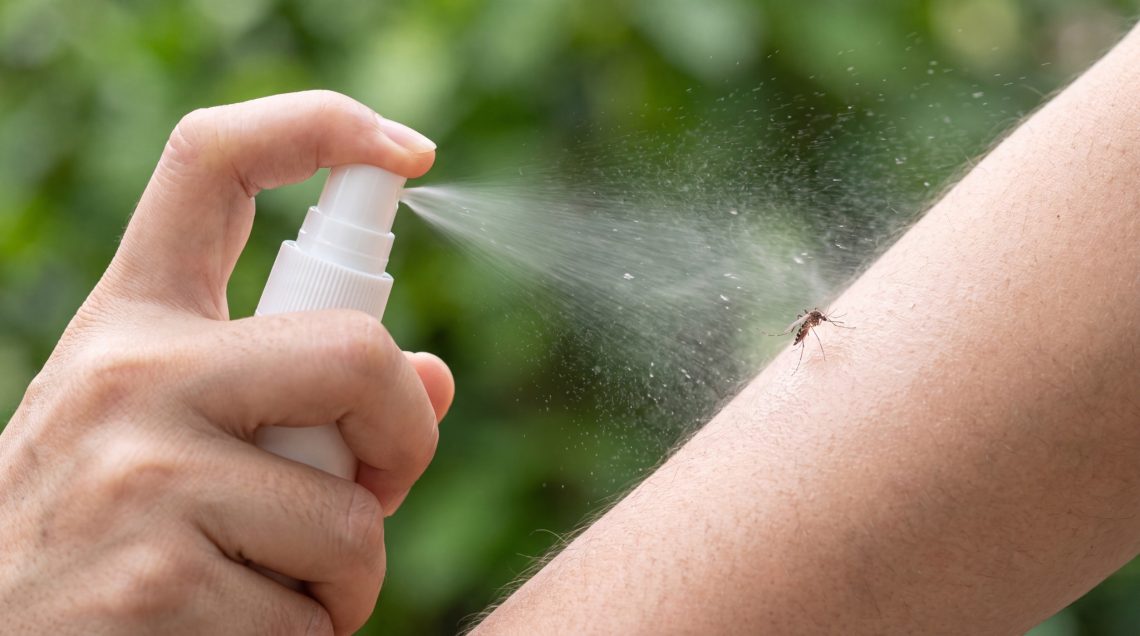
What is West Nile Virus?
West Nile virus is an illness spread through the bite of an infected mosquito. Mosquitoes become infected by feeding on birds that carry the virus. It is not spread from person to person, animal to person or animal to animal.
Most people infected with West Nile virus do not develop symptoms. However, some people may experience mild illness and, in rare cases, serious complications affecting the brain and nervous system.
Preventing mosquito bites is the best way to reduce your risk of infection. West Nile virus activity typically continues through the summer and fall until the first hard frost. Human cases are most commonly reported in August and September.
Contact your health care team if you develop symptoms after a recent mosquito exposure, especially during mosquito season. Your health care provider can evaluate your symptoms and determine whether additional testing or treatment is needed.

West Nile Symptoms
Most people infected with West Nile virus do not develop symptoms. Those who become ill may experience:
- Fever or chills
- Headache
- Muscle aches
- Fatigue
- Rash
Seek prompt medical care if you experience symptoms of severe illness, including:
- High fever
- Muscle weakness
- Stiff neck
- Confusion or disorientation
- Tremors
- Paralysis
- Seizures
- Loss of consciousness or coma
Adults age 60 and older and people with weakened immune systems are at greater risk of developing severe illness.
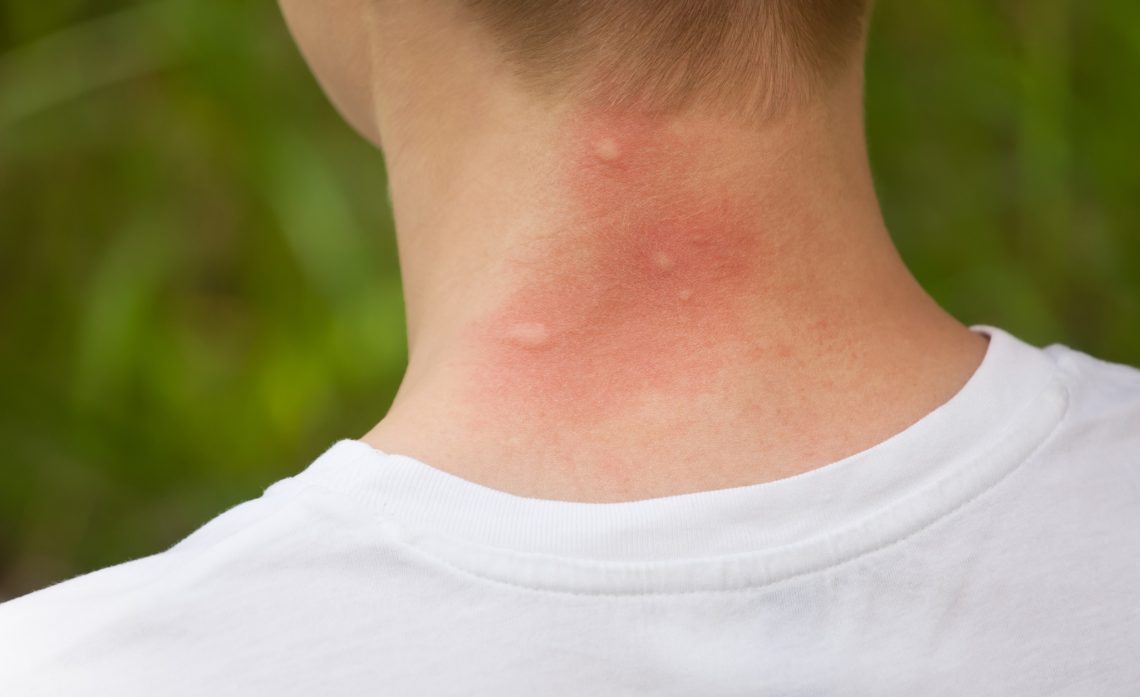
Prevention
The best way to prevent West Nile virus is to protect yourself from mosquito bites.
- Use an EPA registered insect repellent containing DEET, picaridin, IR3535 or oil of lemon eucalyptus.
- Wear long sleeves, long pants and socks when outdoors.
- Limit outdoor activities around dawn and dusk, when mosquitoes are often most active.
- Treat clothing and outdoor gear with permethrin. Do not apply permethrin directly to your skin.
- Repair damaged window and door screens.
You can also reduce mosquito breeding areas by removing standing water:
- Empty water from buckets, flowerpots, tires, gutters, birdbaths and pool covers.
- Change the water in birdbaths and outdoor pet dishes every three days.
- Keep swimming pools and hot tubs properly maintained.
- Keep grass and weeds trimmed.

External Resources
Looking for more information on west nile virus? We encourage you to use the following websites.